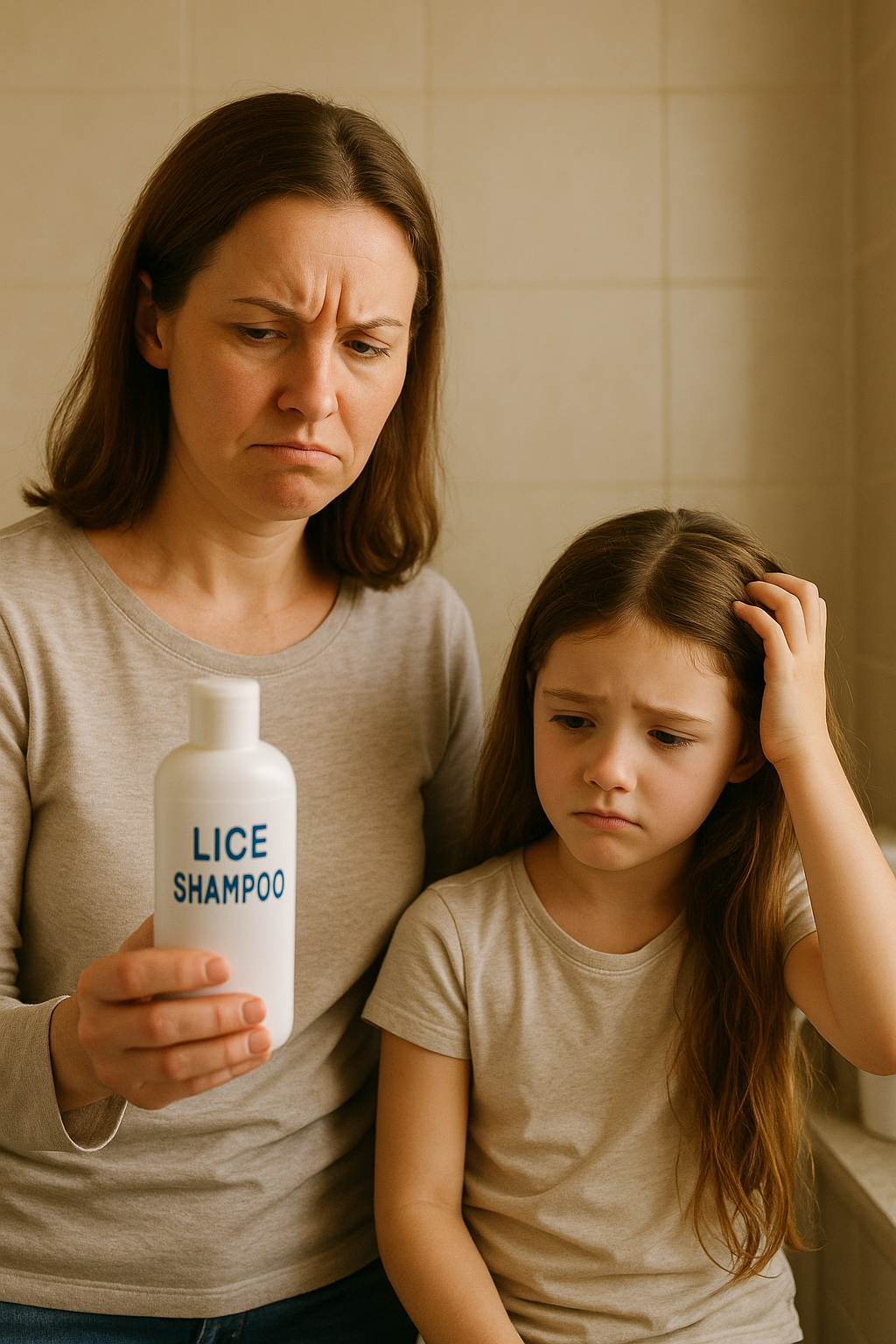
Why Store-Bought Lice Shampoos Often Fail
The Science Behind Resistant "Super Lice" and What Actually Works
If you've ever stood in the pharmacy aisle staring at rows of lice shampoos, wondering which one will finally end your family's lice nightmare, you're not alone.
Millions of parents each year discover the frustrating truth: most over-the-counter treatments simply don't work like they used to.
The reason isn't that you're doing something wrong. The problem is that head lice have evolved.

The Rise of "Super Lice"
99.6% of head lice in the United States are now resistant to common over-the-counter treatments.
Source: Journal of Medical Entomology research studies, 2016-2020
- What researchers call "super lice" aren't actually stronger or more dangerous than regular lice. They're simply lice that have developed genetic mutations making them immune to the pyrethrin and permethrin-based ingredients found in most drugstore shampoos.
- Think of it like bacteria becoming resistant to antibiotics. Over decades of exposure to the same chemicals, lice populations have naturally selected for individuals who can survive these treatments. Those survivors reproduce, passing on their resistance genes.
Why Traditional Treatments Are Failing
Most store-bought lice shampoos rely on neurotoxins that were effective 20-30 years ago. These chemicals work by attacking the lice's nervous system. But resistant lice have developed thicker exoskeletons and modified nerve receptors that block these toxins from taking effect.
Here's what typically happens with over-the-counter treatments:
Day 1:
- You apply the treatment, thinking you've solved the problem
Day 7-10:
Day 14-21:
Day 30+:
The cycle continues because the surviving lice reproduce rapidly. A single female louse can lay up to 10 eggs per day.
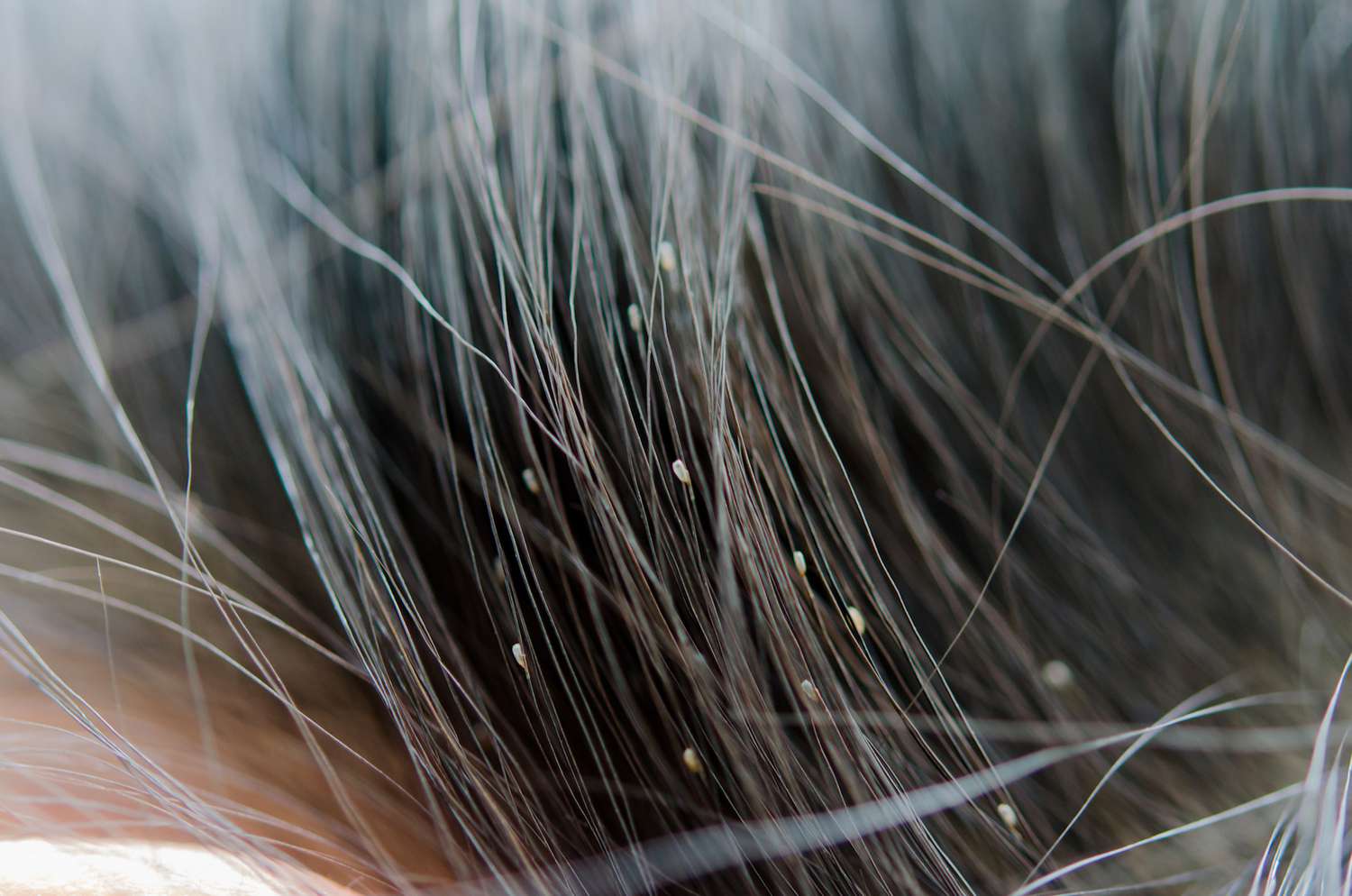
The Nit Factor: Why Eggs Are the Real Challenge
Even if a treatment kills some live lice, it rarely affects the eggs (nits). Lice eggs are protected by a tough shell designed to survive harsh conditions. Most chemical treatments can't penetrate this barrier.
This means that even a 95% effective treatment will fail, because the surviving 5% of eggs will hatch into a new generation of resistant lice within 7-10 days.
What Actually Works Against Modern Lice
Successful lice elimination in 2025 requires a multi-pronged approach that doesn't rely on the failed chemicals of the past. The most effective methods combine:
The key is using methods that attack lice through multiple mechanisms simultaneously, making it impossible for them to survive through resistance alone.
The Bottom Line
If you've tried multiple store-bought treatments without success, it's not your fault. You're dealing with evolved lice that have developed resistance to the very chemicals those products depend on.
The good news? Once you understand the science behind why traditional treatments fail, you can choose methods specifically designed to overcome modern lice resistance.
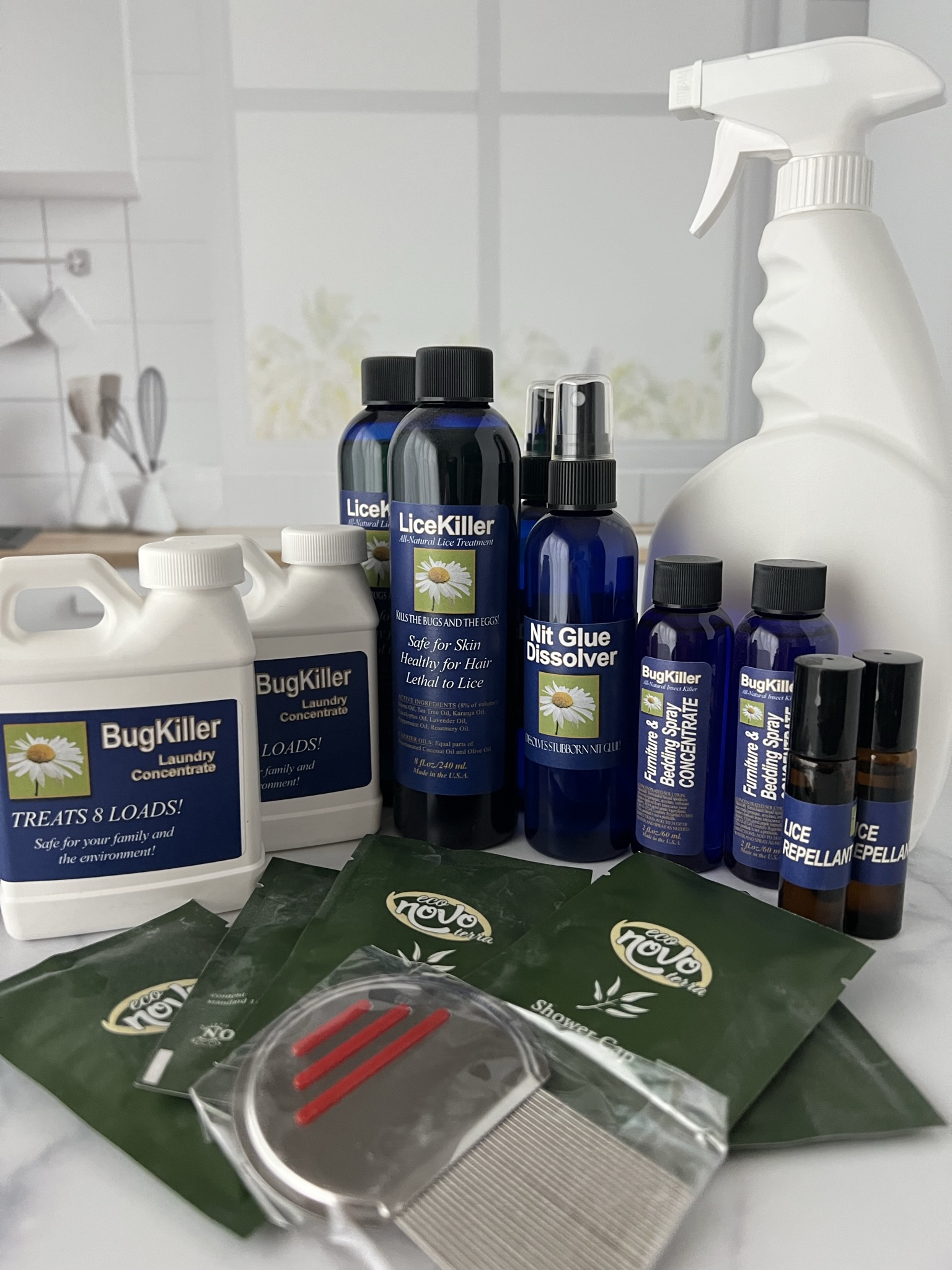
Our Top Recommendation
Note: MothersAgainstHeadLice.org does NOT receive compensation from endorsements.