
WHO SHOULD YOU TRUST?
Head Lice Treatments: Pediatrician-Recommended vs. Internet Remedies
What Really Works Against Today's Head Lice?
When you discover head lice, your first instinct is probably to call your pediatrician. After all, doctors went to medical school, they understand parasites, and they'll know exactly what to prescribe. Meanwhile, you're skeptical of "internet remedies" that seem too good to be true.
This natural trust in medical professionals is completely understandable. But when it comes to head lice nowadays, the reality might surprise you.
What Your Pediatrician Will Likely Prescribe
Your pediatrician means well. Permethrin has been the gold standard for lice treatment for decades, and medical training emphasizes evidence-based treatments that have worked historically.
Here's what most doctors don't realize:
The scientific landscape for lice treatment has changed dramatically in the past 10-15 years, but medical continuing education hasn't caught up to this specific issue.
REALITY CHECK #1
Why Doctors Are Behind on Lice Resistance
Pediatricians are incredibly knowledgeable about child health, but head lice represent a tiny fraction of what they treat.
Consider:
Reality check #2
The Permethrin Problem: Why Prescriptions Often Fail
Lice resistance studies from 2016-2023 show 99.6% resistance to permethrin, but most pediatric treatment guidelines still recommend it as first-line therapy.
Even prescription-strength permethrin faces the same fundamental issues as over-the-counter versions:
Permethrin Limitations
Live lice
Permethrins may kill some lice but not all of them. The resistant lice will survive and reproduce quickly.
nits
Does not penetrate egg shells does not kill the nits - 100% of nits survive permethrin treatment.
resistance
Decades of use have created widespread genetic resistance to permethrins.
reinfestation
High Risk - surviving lice eggs hatch into new resistant generation - creating what are known as "Super Lice."
poisoning
Many people overuse the permethrin-based treatments and end up in danger of pesticide poisoning. Permethrins are a neurotoxin and must only be used as instructed. (If at all.)
frustration
The ineffectiveness of permethrins can lead to months or even years of frustrating battles with head lice. People don't understand why the bugs won't die, why they keep coming back. It can severely disrupt family life and cause all kinds of social anxiety in children.
What About "Dangerous" Internet Remedies?
bad online advice
Dangerous "Home Remedies"
You're right to be cautious about random internet advice. Some popular "home remedies" are actually dangerous.
However, dismissing all non-prescription approaches means missing the effective methods developed by lice specialists and researchers specifically to overcome modern resistance.
Mayonnaise, petroleum jelly: Messy, minimally effective.
Essential oils alone: Can irritate skin, limited killing power.
Kerosene, gasoline: SUPER Dangerous and toxic! NEVER use these!
Heat treatments: Risk of burns if done improperly.
The Third Option: Science-Based Non-Prescription Solutions
The most effective treatments today often come from companies that specialize exclusively in lice removal—not pharmaceutical companies developing broad-spectrum pesticides.
Why This Makes Sense:
These specialized solutions typically combine multiple mechanisms:
- Physical suffocation that lice cannot develop resistance to
- Enzyme-based nit dissolution to eliminate eggs
- Mechanical removal tools designed specifically for lice detection and removal
- Environmental treatment to prevent reinfection
The Bottom Line
Your pediatrician's heart is in the right place, but lice treatment has evolved beyond traditional medical training. The most effective solutions today often come from specialists who focus exclusively on this problem and have adapted to modern resistance patterns.
Trust your doctor for overall health guidance, but don't feel guilty about seeking specialized solutions for specialized problems. The goal is eliminating lice effectively and safely—regardless of whether the solution comes from a prescription pad or a lice specialist's research.
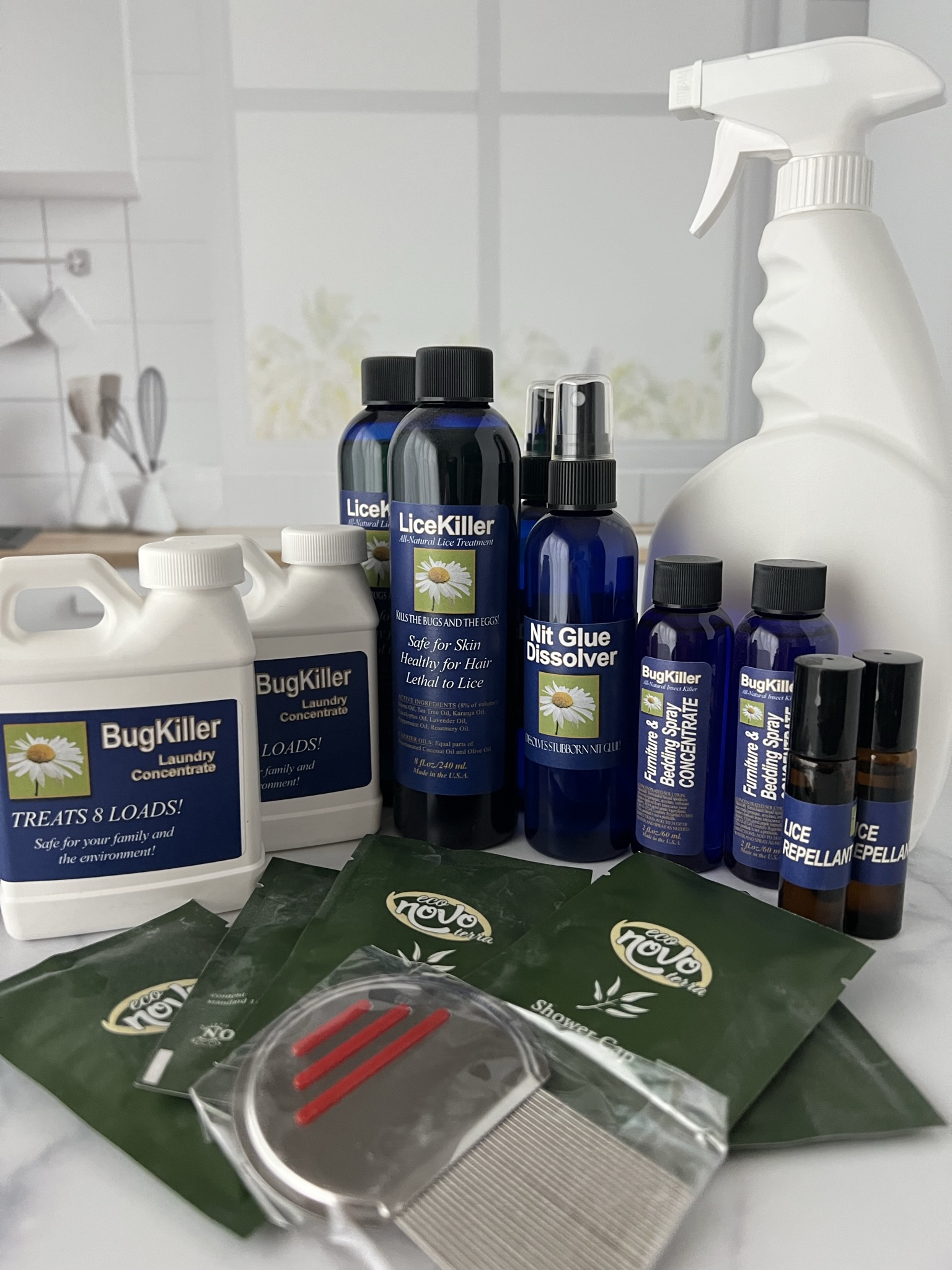
Our Top Recommendation
Note: MothersAgainstHeadLice.org does NOT receive compensation from endorsements.