
Category: Educational / Lice Prevention
Reading Time: 5 Minutes
We Recommend: LiceKiller Brand

If you are reading this, you are likely exhausted.
There is a specific kind of frustration that comes from spending an entire weekend combing through your child’s hair, washing every sheet in the house, and believing the nightmare is over—only to get a call from the school nurse two weeks later saying, "We found another nit."
First, take a deep breath. It is not your fault. You didn’t clean your house poorly, and you didn’t miss a spot.
The reality of head lice has changed dramatically in the last few years, but the advice given by schools and outdated pamphlets hasn't kept up.
We are dealing with a new biological reality often called "Super Lice."
Here are the five scientific facts you need to know to break the cycle.
1. The 'KDR' Mutation (Why the Bugs Are Stronger)
For decades, the standard approach to lice treatment was simple: apply a shampoo containing pyrethroids (insecticides derived from chrysanthemums) and wash the bugs away.
However, evolution has stepped in. Just as bacteria can become resistant to antibiotics, head lice have evolved a genetic defense known as "Knockdown Resistance" (kdr).
Think of this mutation as a suit of armor. The chemicals that used to paralyze the lice nervous system now bounce right off. The lice that survived treatments in the early 2000s bred a new generation of offspring that inherited this genetic shield. Today, your child isn't just catching lice; they are likely catching lice that are biologically engineered to survive the standard treatment aisle at your local pharmacy.


2. The Data: Why Traditional Treatments Are Failing
You might feel like the shampoos aren't working as well as they used to. That is not just a feeling; it is a statistical fact supported by recent dermatology research.
Recent studies, including Mohammadi et al. (2021) and Ghavami et al. (2023), have highlighted a concerning trend in lice populations. Research indicates that resistance frequency to Permethrin—the active ingredient in most over-the-counter treatments—has reached as high as 76.9% in tested populations.
This means that for every 10 lice on a child’s head, nearly 8 of them may be completely unaffected by the chemical treatments that schools still recommend as the "first line of defense."
3. The Egg Problem: Killing the Bug vs. Removing the Future
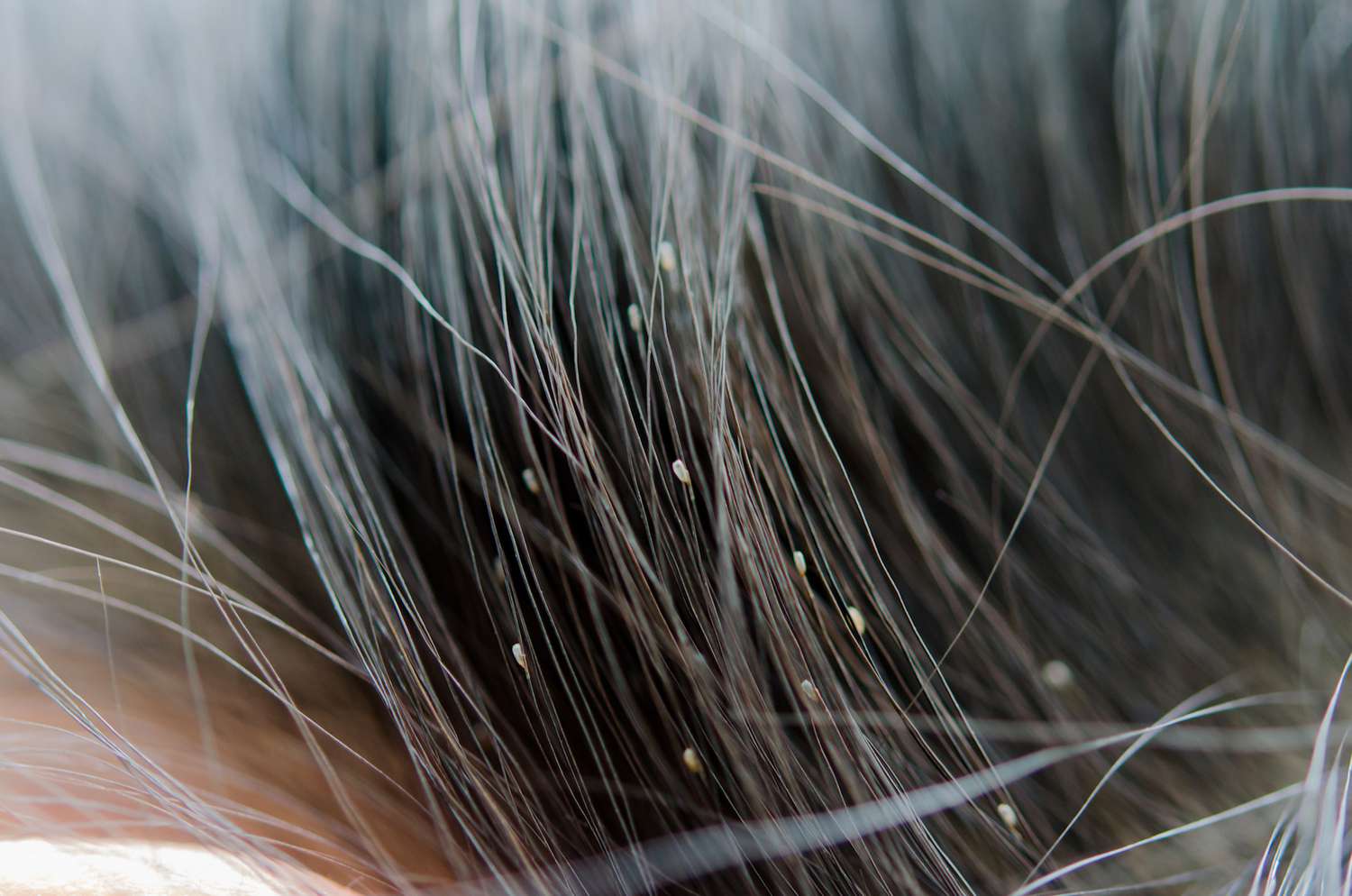
Even if a treatment manages to eliminate the live bugs, parents often face a secondary failure: the eggs (nits).
Lice eggs are encased in a microscopic shell that is incredibly tough. Most chemical treatments are designed to attack the nervous system of a hatched louse. They do not easily penetrate the shell of an unhatched egg.
Furthermore, the female louse attaches these eggs to the hair shaft using a secretion that hardens into a glue-like cement. This "nit glue" is chemically similar to human hair, making it incredibly difficult to dissolve without damaging the hair itself.
If a treatment leaves even a few viable eggs glued to the hair, the infestation restarts as soon as they hatch.

4. The Oil Misunderstanding: Suffocation vs. Biological Interruption
When pharmacy shampoos fail, many mothers turn to kitchen remedies like mayonnaise or olive oil. The logic is that these thick substances will suffocate the lice. Unfortunately, this is often a trap.
Lice are incredibly resilient; they can close their respiratory spiracles (breathing holes) and survive without oxygen for hours, effectively "holding their breath" until you wash the oil out.
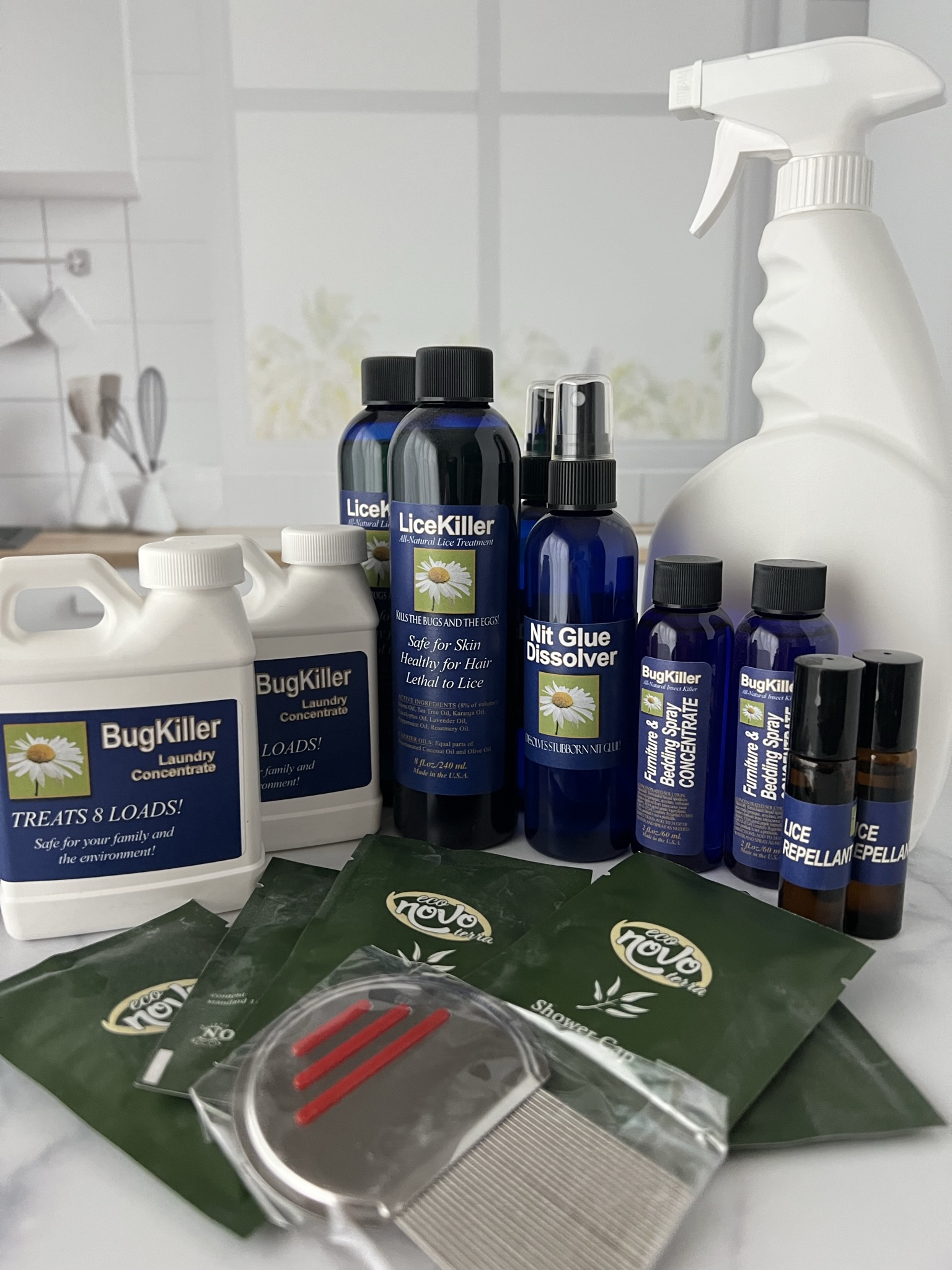
The Solution lies in the right ingredients.To be effective, an oil must do more than just sit on top of the bug—it must interact with its biology. A clinically effective essential oil formula utilizes specific, active botanicals rather than passive lubricants:
Neem Seed & Karanja Oil: These do not just smother; they disrupt the louse's hormonal system and inhibit their ability to reproduce.
Tea Tree & Clove Oil: These act directly on the exoskeleton and have been shown to penetrate weakened egg shells.
While olive oil makes the hair slippery, it leaves the bug alive. Complex essential oil formulas are designed to stop the life cycle entirely.
5. The Enzymatic Solution: Biology over Chemistry
If the bugs are resistant to chemicals, and simple kitchen oils fail, what is the effective path forward?
The modern approach moves away from trying to poison the nervous system of the bug and moves toward enzymatic breakdown.
Enzymes are biological molecules that speed up chemical reactions.
Specific enzymatic treatments are designed to target the protein structure of the "nit glue." Instead of trying to kill the bug through a shield it has already evolved to resist, enzymatic solutions work to dissolve the bond between the egg and the hair.
By combining active essential oils (to target the bug) with enzymes (to dissolve the glue), parents can bypass the KDR mutation entirely. This relies on physics and biology, not neurotoxins.

Conclusion
You aren't fighting the same lice your grandmother fought. You are fighting a survivor species that demands a smarter approach.
By understanding the science of resistance and utilizing tools like Neem, Karanja, and Enzymes, you can stop wasting time on treatments that are statistically likely to fail.
If you are ready to switch from chemical warfare to a biological solution, look for a kit that combines reproductive disruption with glue-dissolving technology.